
On 5th April, 2025 at Bujumbura
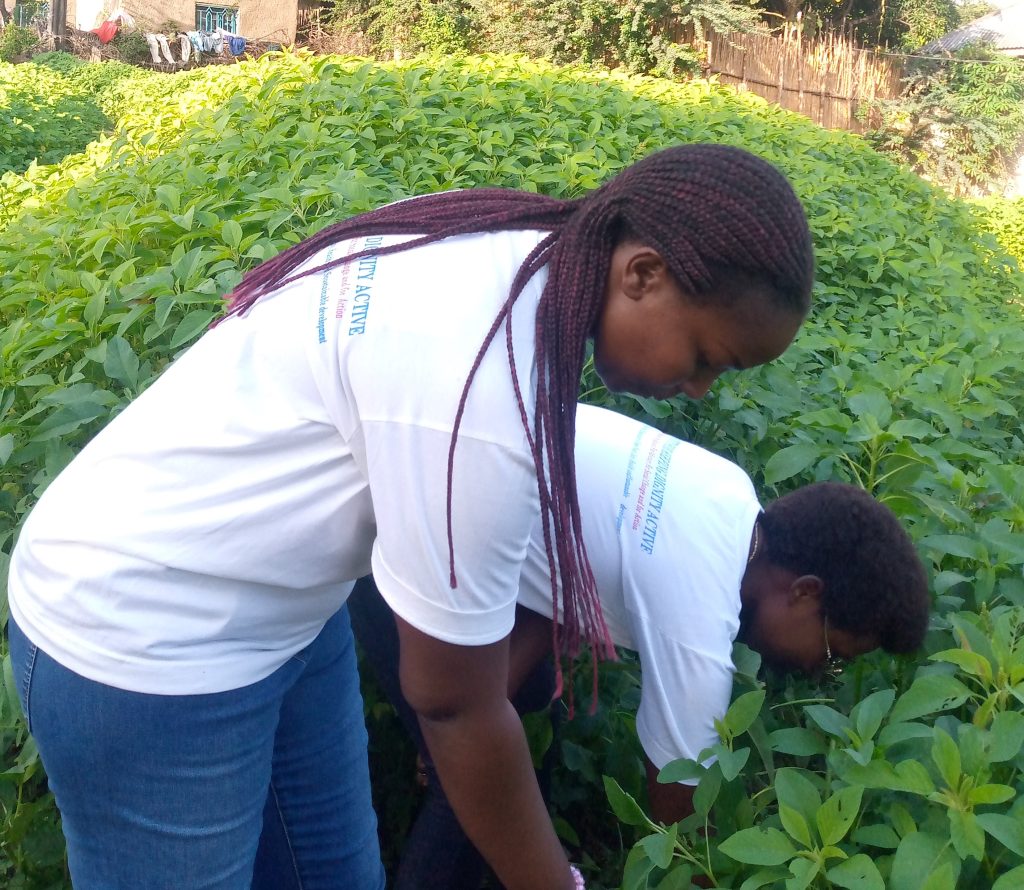
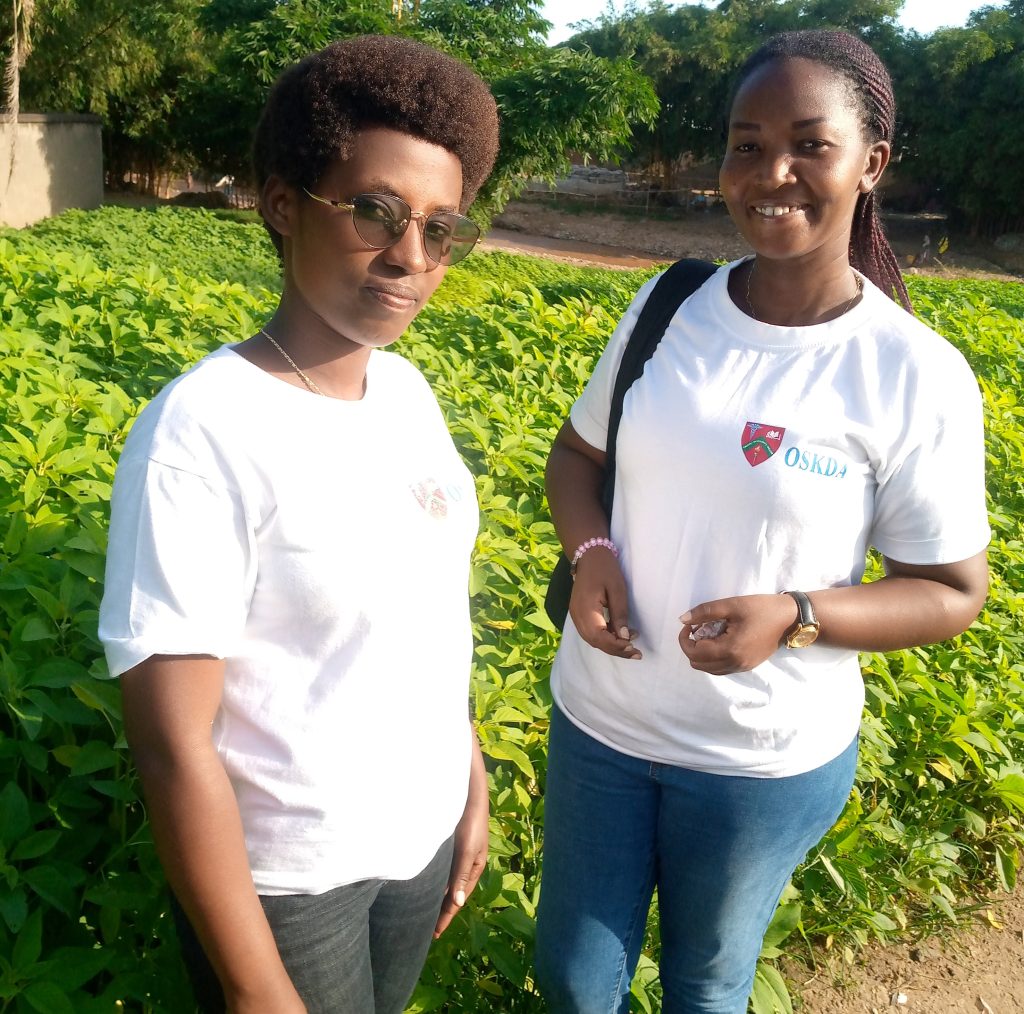
Ms. Martine Iradukunda’s dedication as an operating room nurse is evident in her care for young patients battling osteomyelitis and cancer. Following her time visiting and treating these children, her commitment to their well-being extends beyond the hospital walls. With a Bachelor’s degree in Health and Community Sciences, she possesses a unique ability to connect with and educate community members of all ages on crucial health issues and social determinants. As a founding member and General Treasury of OSKDA, a public health initiative focused on education, advocacy, and social change, she actively works to improve the well-being of her community. On this particular day, she visited a garden of amaranth and quinoa, meeting Micheline Irankunda. Aware of the potential for hunger among the children, she had thoughtfully prepared with peanuts to share. Soon enough, she saw them, called them over, and began to feed them this vital source of protein, demonstrating her proactive care.
This initiative with amaranth and quinoa is rooted in scientific understanding. These grains are nutrient-dense foods that can effectively help prevent and address malnutrition. It’s recognized that malnutrition is a significant risk factor for several health issues, notably including impaired immune function, which can increase susceptibility to infections like osteomyelitis. While the links between malnutrition and the risk factors associated with diabetes (such as poor metabolic health), and the subsequent connection of diabetes to an increased risk of certain cancers and osteomyelitis, are complex and multifactorial, ensuring good nutrition through foods like amaranth and quinoa is crucial for overall health and can indirectly mitigate some of these risks. Therefore, while these grains support a strong nutritional foundation, they are not direct preventatives of diabetes, cancer, or osteomyelitis but play a vital role in promoting well-being.