
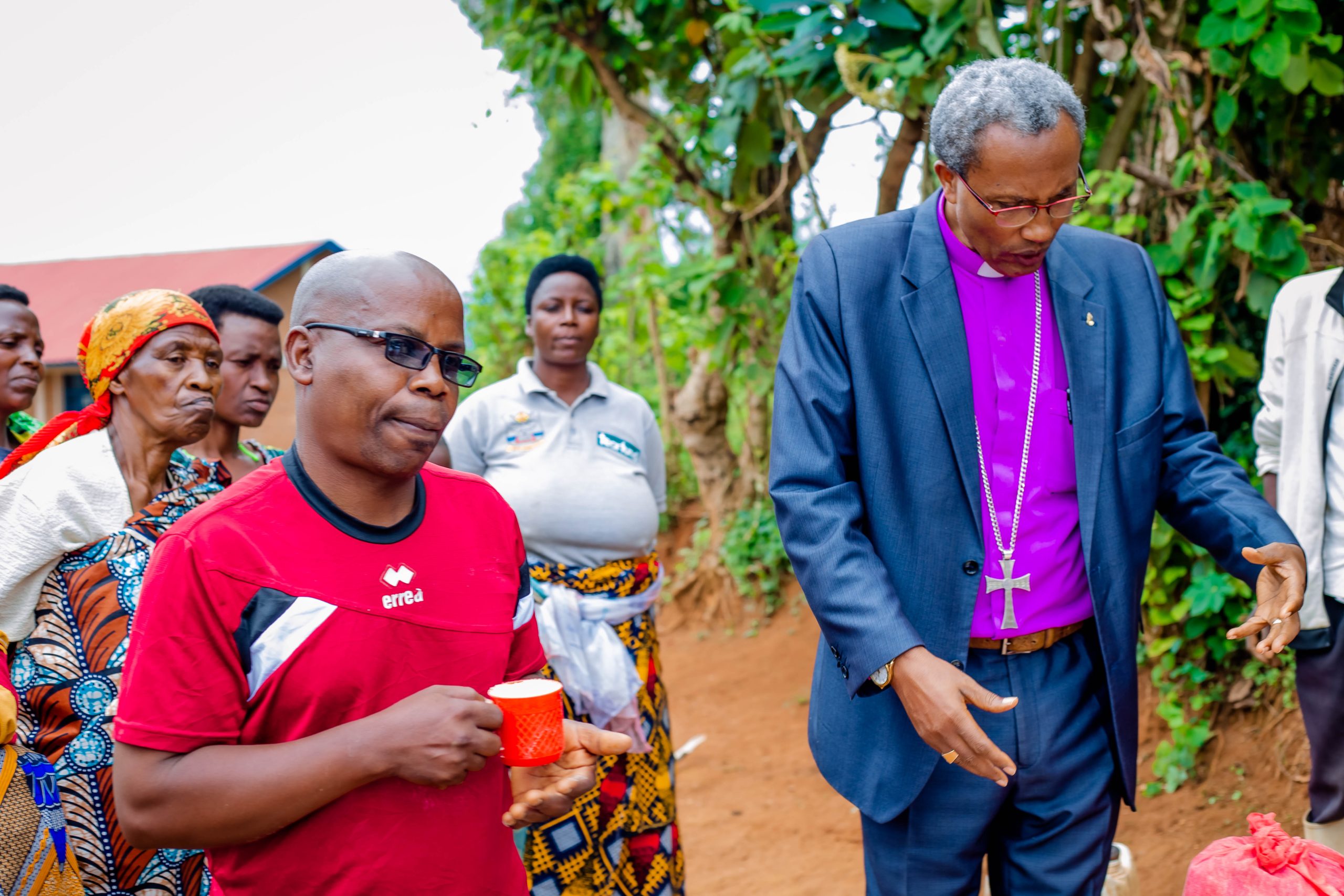
Field working report conducted by OSKDA members on 14th March, 2025 at Matana high school and in communities around the school
Objectives: to contribute in reducing child morbidity and mortality associated with acute malnutrition, malaria and other childhood illnesses in Matana communities
Context
Micronutrient malnutrition, also known as hidden hunger, affects many people globally. One potential solution to tackling hidden hunger is biofortification and fortification – the process of breeding and delivering staple food crops that are rich in micronutrients. There is a limited but growing body of evidence on the effectiveness of biofortification and Fortification at a public health level. Burundi was identified for the testing of the effectiveness of incorporating multiple biofortified crops into a multi-disciplinary community nutrition platform to address micronutrient deficiencies, and the ability to bring this to scale. This was the topic developed by the president of OSKDA at High school of Matana, the dialogue meeting was attended by a cloud of students and their teachers as agent of change in their respective communities.
OSKDA team has conducted a working trip to support parents with children with malnutrition/ undernutrition in Matana community (Kibungo Community) where most of children under five are suffering from malnutrition(undernutrition). Mothers with children malnourished have attended the dialogue discussion on how they can reverse the situation through The Foyer d’Apprentissage et de Récuperation Nutritionnelle (FARN)
The Foyer d’Apprentissage et de Récuperation Nutritionnelle (FARN) is a focal nutrition learning center where mothers learn about complementary feeding practices in order to improve the well-being of children affected by malnutrition. This approach, endorsed by Burundi’s Ministry of Health, is being piloted by World Vision in 12 hills of Rugazi commune, in the eastern province of Karuzi. The purpose of FARNs is to rehabilitate malnourished children under 5, by using food products available locally, mobilizing the community and inducing behavior change using behavior change communication approach.
In each FARN, volunteers are trained on the basics of nutrition, health and hygiene. They identify malnourished children in their community, promote complementary feeding, as well as run counseling and nutrition education sessions. They also conduct weekly home visits to follow up the child’s health and collect data on health, hygiene and malaria.
Children who qualify for the program will come with their care givers to the FARN sessions daily for 12 days and their mothers will learn about complementary feeding, health seeking and caring practices and hygiene. Complementary feeding preparation using locally available resources will be demonstrated and children will consume one meal days. Mothers will also be encouraged to prepare food similarly at their home. After 12 days, they will be discharged at home where a volunteer will follow-up their rehabilitation. Trained community nutrition surveillance focal groups, care takers and CHWs will follow up children recovered from FARN session. If the child’s weight gain equals or exceeds 400 grams it will leave the program, if not it will stay for another 12 days. After mass screening, children who are found with severe malnutrition are referred to Outpatient therapeutic program which is located to nearest health facility.
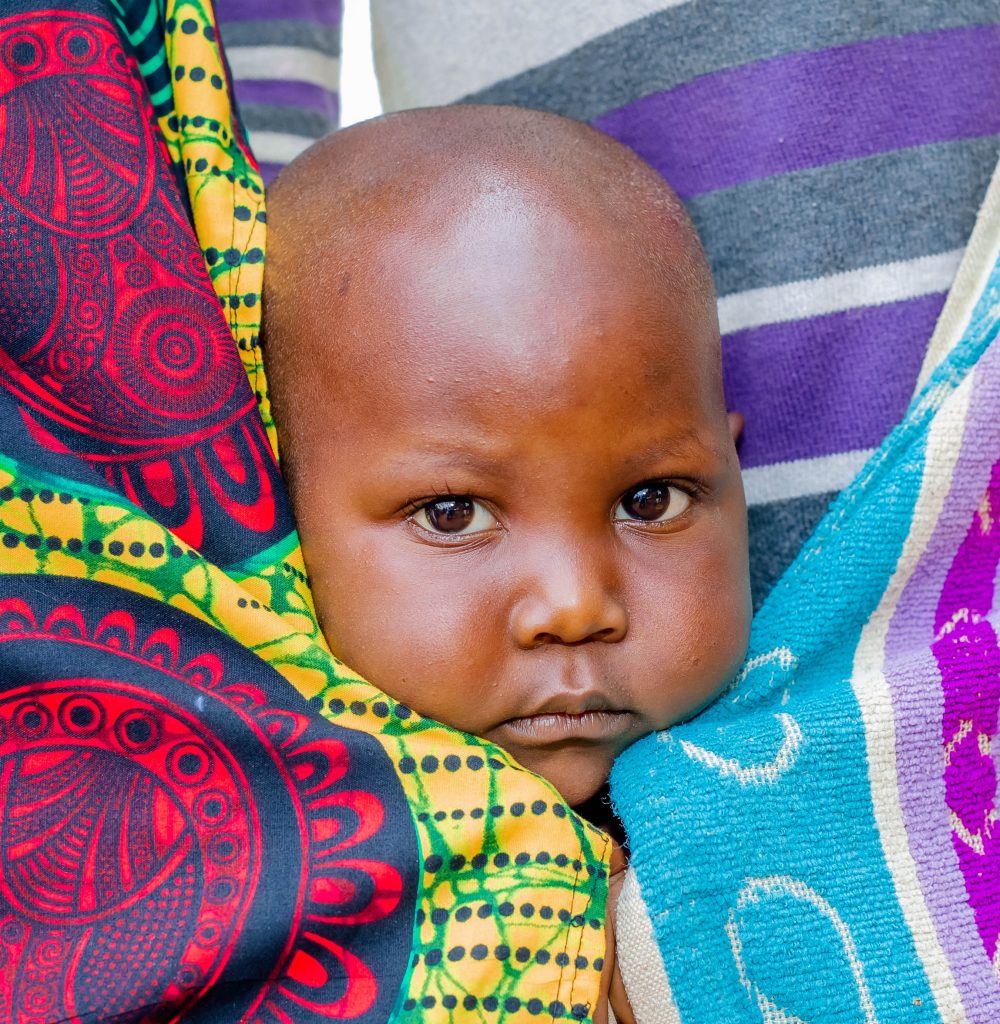
This child is one of children malnourished who was present during OSKDA team visit, her mother was attending the rehabilitation center to be trained on how to prepare child’s daily food
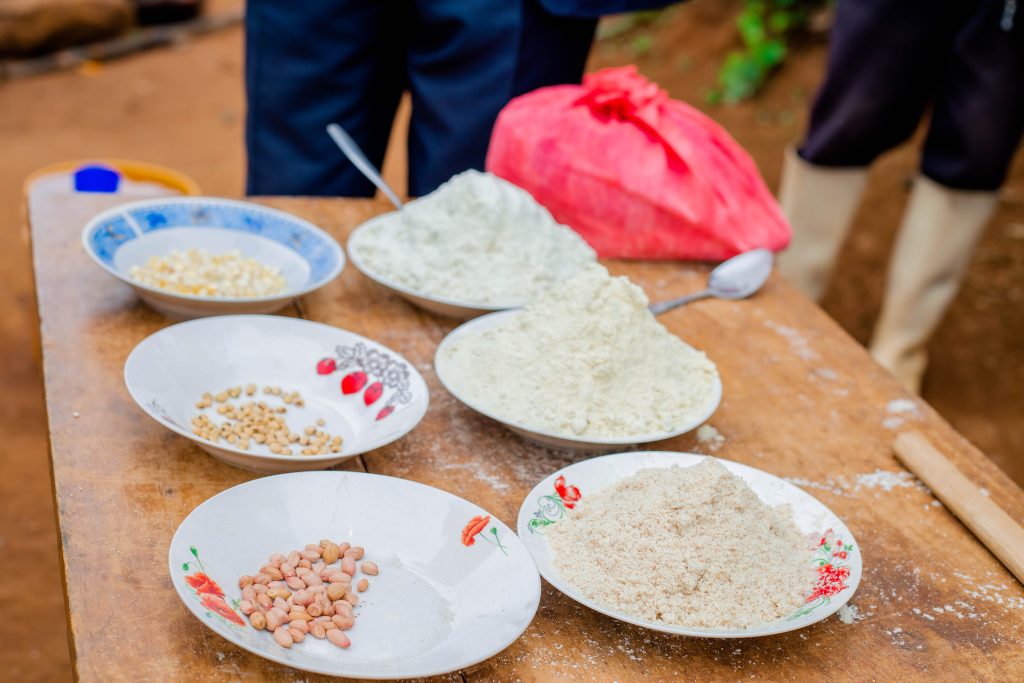
The recommended ingredients to be used at community level are local food: Maize flour, soybean flour, groundnut flour, sugar and palm oil. Children are nourished with those ingredients mixed and boiled as porridge
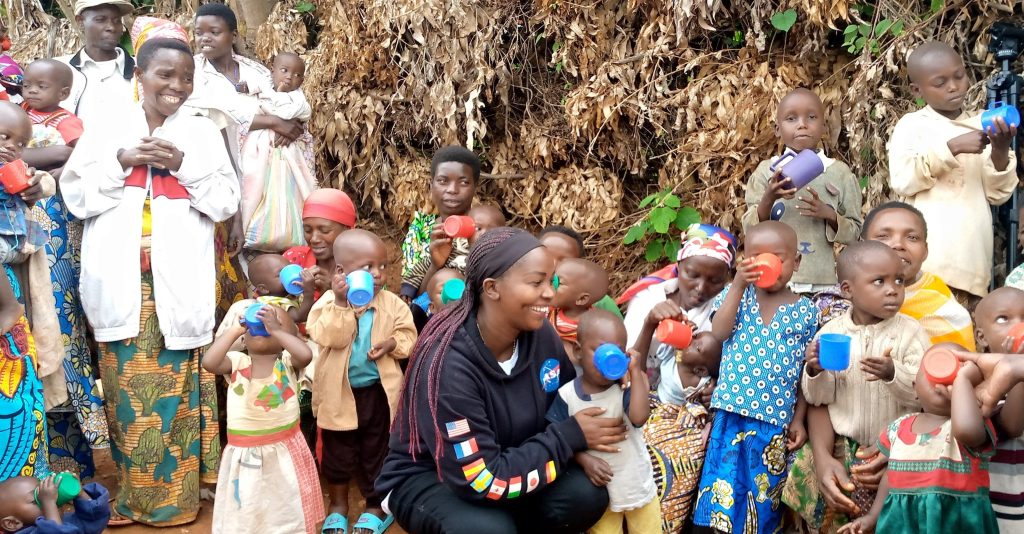
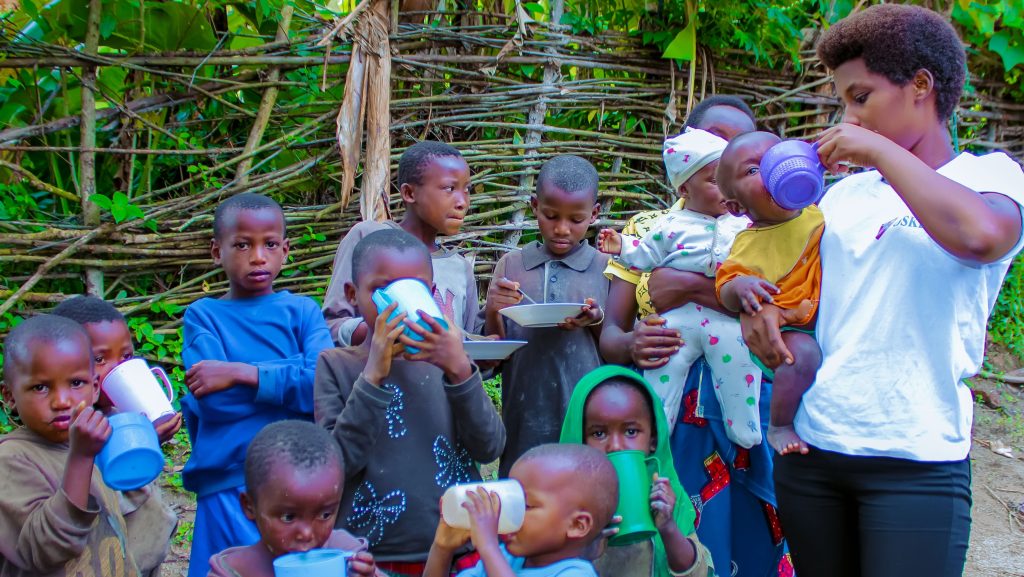
After boiling porridge, all children attended the FARN session are being fed. They are enjoying porridge with appetite. This was facilitated by OSKDA members
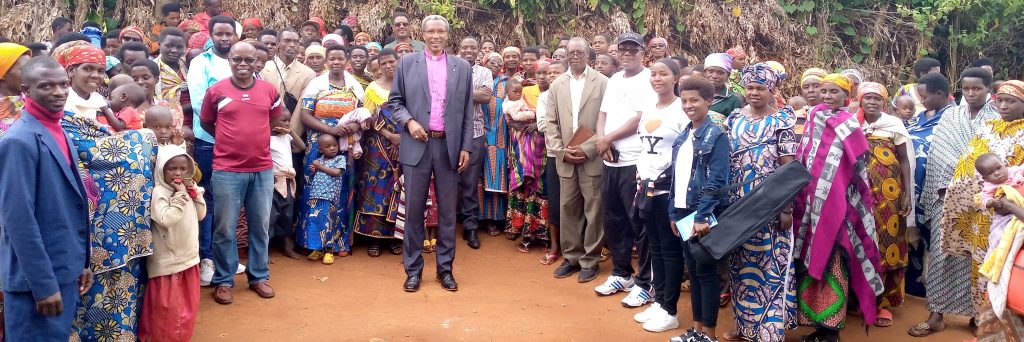
All participants were carefully listening, the message from OSKDA Founder the objective of the mission, pronounced by Seth Anglican Church Bishop of Matana
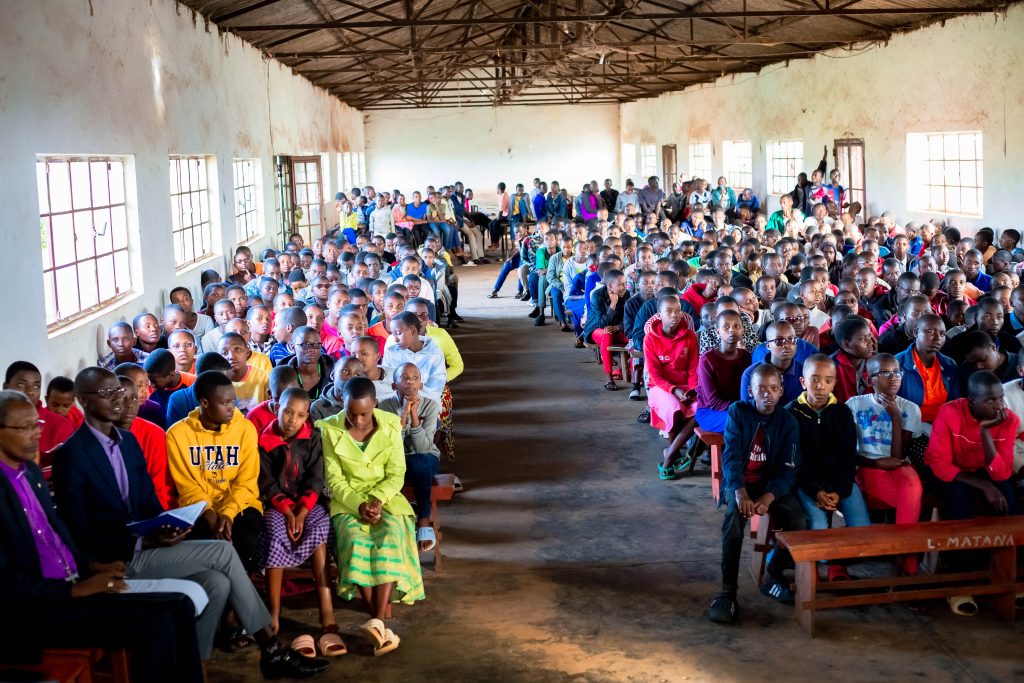
Students of High school of Matana and their teachers are following carefully the OSKDA presentation on causes of malnutrition and how they can support to fight against malnutrition
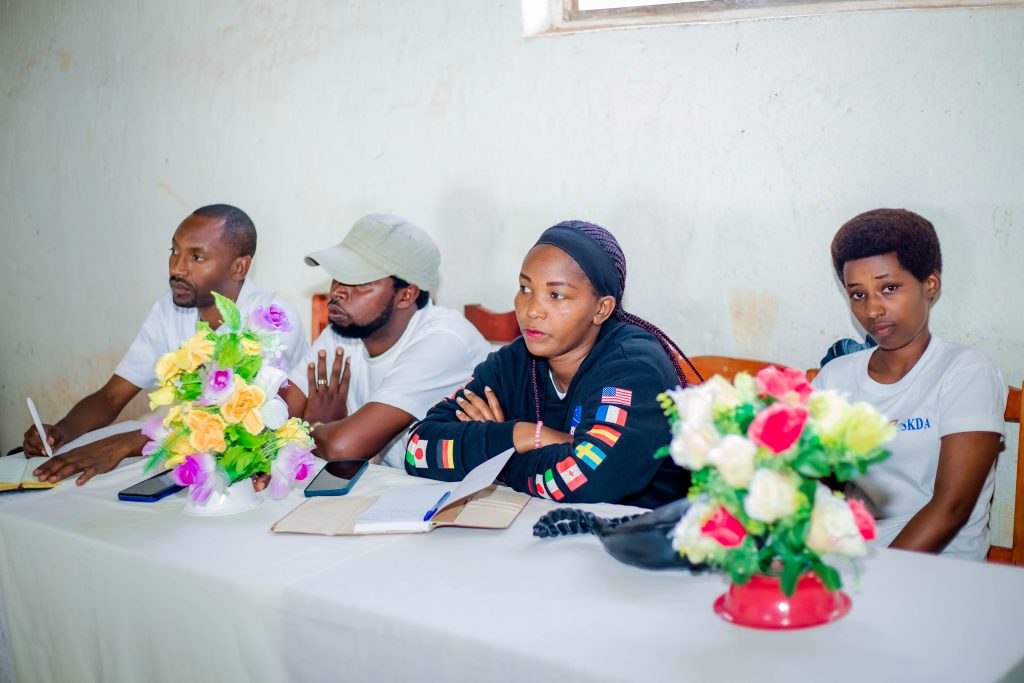
OSKDA members are listening the presentation on malnutrition and the way to overcome
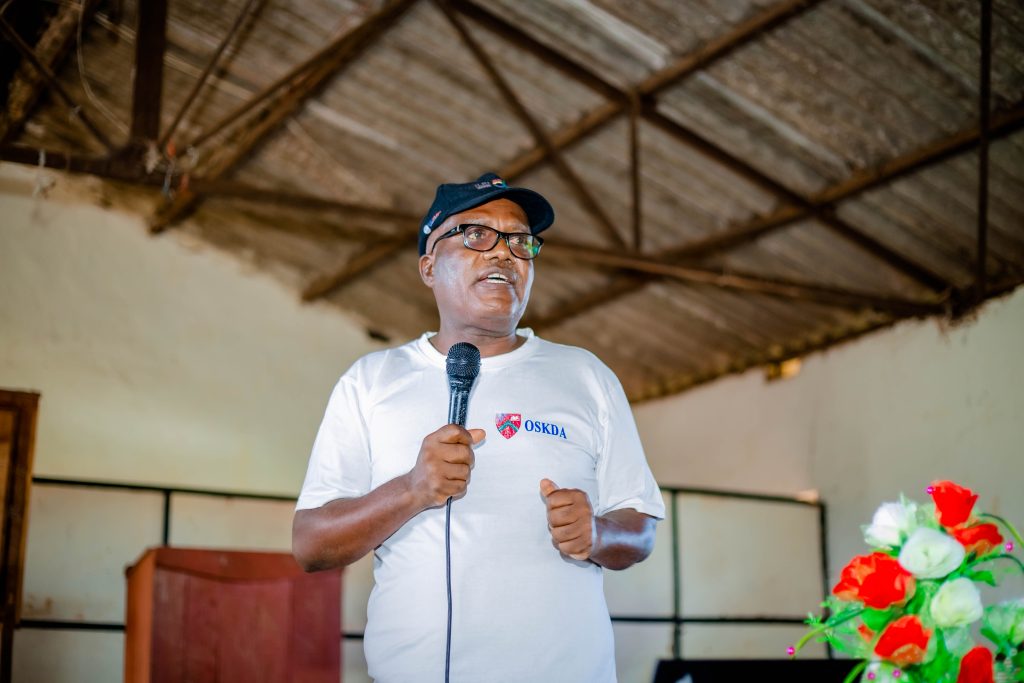
OSKDA president was presenting the root causes of under malnutrition, the way of fighting it and responsibilities of students, teachers, local administration and parents
1 Lessons learnt
- Community participation: It is only through participation that communities will get a sense of ownership and should therefore feel motivated to manage malnutrition
- Role of men: It was seen that chid feeding and care is not only a woman’s concern. In the nutrition programs supported by this project, men were involved as equally as possible to women what help not only children to recover quickly, but also brought women to trust one more time in their husband.Men involved also helped woman to recuperate time, to deal with other family issues such as men are helping in children care.
- Community contribution and financing: communities to contribute some local food, materials, fire wood, etc.. especially while conducting PD/Hearth sessions. Poor communities are often torn between the pain imposed on them lack of resources and the strongly felt need for food and nutrients that would be their need of basic necessity and the basis for survival in a poor community environment.
- Social and cultural environment: Most people have yet to associate best nutrition skills & hygiene practices with diseases such as diarrhoea so the change of chronic malnutrition, hygiene and sanitation behaviour is a long process. changing traditional behaviour on best nutrition practices, hygiene & sanitation is a long & sustained effort which may take generations (most people do not mix food, do not give some kind of food as they are considered as to be imperatively sold, most people do not use soap for washing, are not aware of the danger posed by children’s stool, do not purify water, do not regularly wash before preparing food or changing baby’s nappies etc.
- Sustainability issues: Capacity constraints are a key factor in preventing rural communities from sustaining best nutrition practices. Poverty related to lack of food institute a slackening in nutrition programs sustainability. Though men are starting to be involved there is still some work to full bring them to be not spectators but contributors about malnutrition issues.
2 Recommendations
In all nutrition interventions ensure that people are put at the centre of activities and are assisted preferably by community health workers (CHW) to analyse their problems, define their own priorities and decide their service levels for nutrition interventions. Participatory monitoring systems should also be introduced through which target groups evaluate progress and define priority action points on a regular basis. This process, in addition to others, will enhance commitments on the part of communities.
- Establish joint baseline data at the beginning of future projects including agreed upon key indicators in nutrition and hygiene, and monitor change against these at regular intervals including six months and one year following project
- Engage more actively with the relevant services and facilitate improved coordination, experience sharing and joint actions working with other government and non-government players within the target communes.
- Develop and implement a clear strategy to improve planning, implementation, community support mechanism and monitoring capacity and systems within the commune for nutrition interventions. A starting point for this would be a capacity development plan, informed by a capacity needs assessment. The capacity development plan could be closely associated with the parallel development of a health district strategic plan.
- Develop a clear advocacy strategy for better linkages with and influence on local administration and other key players in the heath in general and nutrition sector in particular.
- Communities should participate in project planning, such as deciding service levels and the design and implementation of nutrition promotion activities as community participation has been minimal.